The Ultimate Overview to Choosing the Right Bulk Containers for Your Business Requirements
Selecting the proper bulk containers is crucial for any type of business that relies upon reliable logistics. Different sorts of containers exist, each made for details products and applications. Aspects such as size, material compatibility, and governing requirements play a considerable function in this decision-making process. Recognizing these elements can cause improved operational performance. Nevertheless, several companies forget necessary aspects that can boost their general effectiveness and sustainability. What are these considerations?
Comprehending Various Sorts Of Mass Containers
Bulk containers act as important tools for companies seeking reliable storage and transport remedies. These containers come in various kinds, each developed to satisfy particular operational needs. One common kind is the intermediate mass container (IBC), which is excellent for liquid and granulated products, supplying an equilibrium of capability and maneuverability. Another preferred choice is the mass bag, or FIBC, suitable for dry, flowable products. These flexible containers are lightweight and can be quickly delivered and stored. For larger products, inflexible mass containers are commonly used, providing sturdiness and security for secure handling. In addition, there are specialized containers tailored for hazardous products, guaranteeing compliance with safety and security regulations. Understanding the unique qualities of these bulk container types enables services to make educated choices that enhance logistics and decrease expenses. By selecting the ideal container, business can enhance their operational efficiency and improve their supply chain processes.
Secret Product Factors To Consider for Mass Containers
When picking mass containers, it is vital to ponder the products utilized in their building and construction. Variables such as resilience, chemical, and strength compatibility play an essential duty in making sure the containers fulfill particular functional demands. Additionally, weight and transportability issues can affect both effectiveness and transportation logistics.
Material Sturdiness and Toughness
Resilience and stamina are critical consider choosing products for bulk containers, as they straight affect the container's ability to withstand different environmental conditions and taking care of procedures. Materials such as high-density polyethylene (HDPE), polypropylene, and stainless steel are generally preferred for their robust buildings, using resistance to abrasion, impact, and temperature level changes. The option of material additionally influences the overall lifespan of the container; stronger materials usually cause less constant replacements, resulting in cost financial savings gradually. Furthermore, the weight of the material can influence delivery prices and ease of handling. Companies should consider their specific functional atmospheres and the potential for deterioration to guarantee peak toughness and toughness in their bulk container choice.
Chemical Compatibility Elements
Comprehending chemical compatibility is crucial for picking bulk containers, as the products made use of must resist the certain materials they will hold. Numerous variables influence compatibility, consisting of the chemical nature of the components, temperature level, and period of storage space. For instance, harsh chemicals might require containers made from stainless-steel or specialized plastics that withstand destruction. Furthermore, responsive compounds can generate warmth or gases, requiring aired vent or pressure-rated containers. The selection of container material, whether polyethylene, polycarbonate, or steel, need to align with the chemical homes of the saved compounds to avoid breaches or leaks. Ultimately, a comprehensive assessment of these compatibility elements guarantees secure handling and storage space, shielding both workers and the atmosphere while keeping product stability.
Weight and Transportability Issues
Selecting bulk containers entails not only evaluating chemical compatibility but likewise taking into consideration weight and mobility. Services need to assess the simplicity of handling and transportation to maximize performance. Lightweight products like high-density polyethylene (HDPE) or light weight aluminum can assist in much easier activity and lower shipping costs. On the other hand, larger containers might give enhanced sturdiness yet can impede flexibility, specifically in settings needing constant moving. Additionally, the design of the container must permit hassle-free training and stacking, making sure ergonomic security for workers. Business ought to likewise consider the framework available for transportation; as an example, containers compatible with forklifts or pallet jacks can simplify procedures. Eventually, the best balance in between weight and portability straight influences functional performance and price effectiveness.
Sizing Your Mass Containers for Optimal Effectiveness
When sizing mass containers, businesses need to carefully analyze the measurements needed to fit their particular products. Furthermore, weight capacity is a critical aspect that influences efficiency and security during transport and storage space. Reliable sizing not just makes best use of area but additionally maximizes functional workflows.
Identifying Container Dimensions
Picking the ideal dimensions for bulk containers is vital for optimizing efficiency in storage space and transport. Services should analyze their details requirements, thinking about elements such as readily available space, the nature of the goods being stored, and the approaches of transportation used. Accurate dimensions guarantee that containers fit preferably in warehouses and automobiles, reducing lost area and lowering taking care of time. Requirement dimensions can provide ease, however customized dimensions could be essential for one-of-a-kind needs or to suit specific items. In addition, it is necessary to evaluate stacking capacities and availability, as these aspects influence general operational effectiveness. Eventually, the best measurements cause boosted company and streamlined logistics, benefiting the total productivity of the business.
Weight Ability Considerations
Understanding weight capacity is crucial for businesses intending to maximize their bulk container performance. The weight capacity of a container directly influences storage space capacities, transportation logistics, and overall operational costs. Picking containers with the appropriate weight limits guarantees that businesses can safely store and deliver their goods without running the risk of damage or conformity issues. Overloading containers can result in structural failings, while underutilizing ability cause squandered resources. It is very important for businesses to evaluate their product weights and consider any type of governing needs when picking containers. In addition, see it here factors such as the kind of material, planned usage, and ecological problems should additionally influence weight capacity choices. By examining these aspects, companies can enhance effectiveness and ensure a structured supply chain.
Regulatory Compliance and Safety Criteria

Regulative conformity and safety standards play an essential role in the selection of mass containers for companies. Organizations must assure that their containers satisfy numerous guidelines set by local, national, and worldwide authorities. These requirements often relate to material safety, structural honesty, and appropriate labeling, which aid prevent mishaps and ensure the risk-free transport of goods.
In addition, adherence to industry-specific guidelines, such as those from the Fda (FDA) or the Occupational Safety And Security and Health And Wellness Management (OSHA), is essential for companies dealing with unsafe products or food items. Non-compliance can result in penalties, legal concerns, or damages to a company's online reputation.
Companies must additionally take into consideration the container's compatibility with the products being saved or transported to avoid contamination or chemical responses (used plastic containers). To sum up, comprehending and applying regulatory conformity and safety requirements is necessary for the efficient and liable use of mass containers
Sustainability Choices for Eco-Friendly Mass Containers
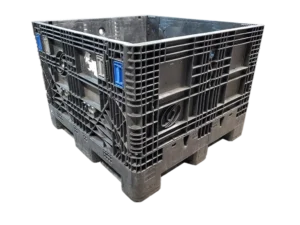
Firms are additionally exploring choices made from recycled products, which not only preserve sources however also support the this page recycling industry. Advancements in style permit for lighter containers that require much less energy to transport, further enhancing sustainability. By integrating these environmentally friendly mass container choices, services can demonstrate their commitment to ecological stewardship while meeting customer demand for sustainable techniques. This shift not only assists the world yet can additionally enhance brand credibility and client commitment.
Cost-Effectiveness and Budgeting for Mass Containers
While several services focus on sustainability, cost-effectiveness continues to be a vital factor when selecting bulk containers. Organizations must analyze the preliminary acquisition rate, along with long-lasting functional prices, to assure economic stability. Variables such as maintenance, toughness, and reusability play a considerable role in figuring out overall costs.
Spending in premium containers might yield higher upfront costs but can cause financial savings via minimized substitute rates and decreased waste. Furthermore, businesses must consider transportation expenses and storage space efficiency, as these can impact the total budget.
Frequently Asked Inquiries
Just how Do I Figure Out the Right Container for Hazardous Materials?
To figure out the best container for harmful products, one have to examine compatibility with the material, think about the container's material, look for governing conformity, and examine ability and safety features to ensure correct handling and storage.
Can Bulk Containers Be Personalized for Certain Products?
Yes, bulk containers can be customized for specific items. used plastic containers. Various features, such as size, see this site design, and product, can be tailored to satisfy special needs, ensuring optimal safety and security and performance for transferring and saving different goods
What Is the Average Life Expectancy of Various Mass Container Types?
The typical life-span of mass container kinds varies; plastic containers last 5-10 years, metal containers 10-20 years, and wood containers typically last 3-7 years, depending on use, upkeep, and environmental conditions.
Just how Should I Clean and Maintain Bulk Containers?
To cleanse and preserve bulk containers, one ought to regularly check for damages, get rid of deposit, clean with appropriate cleaning agents, wash extensively, and assurance proper drying out prior to storage space. Complying with supplier guidelines boosts longevity and security during usage.
Exist Rental Choices for Bulk Containers Available?
Yes, numerous firms provide rental options for bulk containers, providing versatility for companies. These services can accommodate various requirements, allowing business to take care of supply efficiently without the dedication of acquiring containers outright.
Toughness and stamina are essential factors in selecting materials for mass containers, as they directly affect the container's capability to hold up against various ecological problems and managing procedures. Understanding chemical compatibility is crucial for selecting bulk containers, as the materials used have to withstand the specific compounds they will certainly hold. Understanding weight capability is essential for services intending to optimize their bulk container efficiency. Governing compliance and safety and security requirements play an important duty in the option of bulk containers for companies. While many organizations focus on sustainability, cost-effectiveness remains an essential aspect when picking mass containers.
Comments on “Discover how industries save costs with refurbished bulk containers for everyday use”